Sell Courses Online with Tovuti LMS
Turn knowledge into revenue with a flexible e-commerce LMS that makes selling, managing, and delivering courses easy.
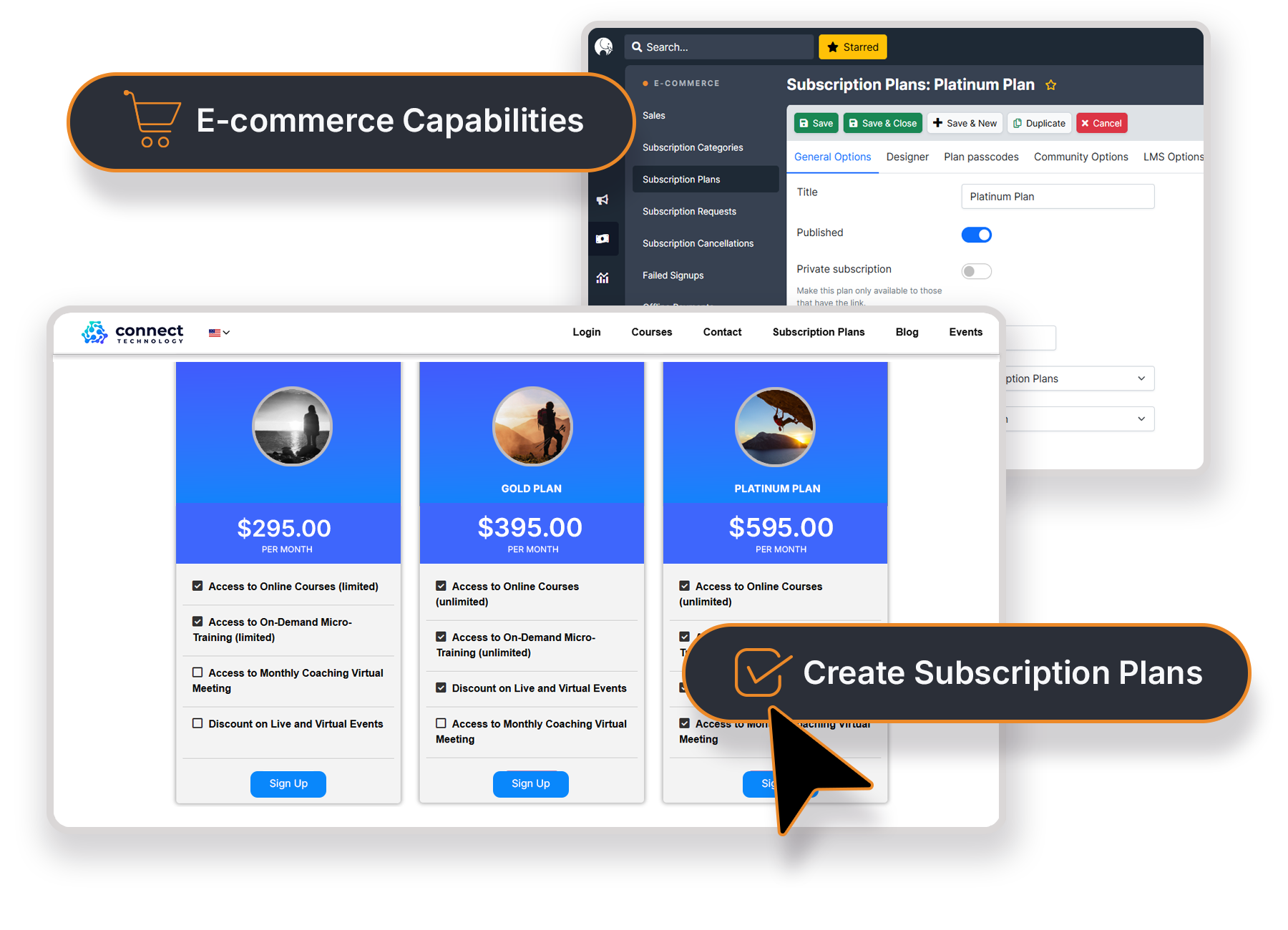
What Is an E-Commerce LMS?
An e-commerce LMS allows organizations to sell training online, manage access, and deliver courses securely from a single platform.
Tovuti LMS combines training delivery with built-in e-commerce functionality so teams can sell courses without external tools.
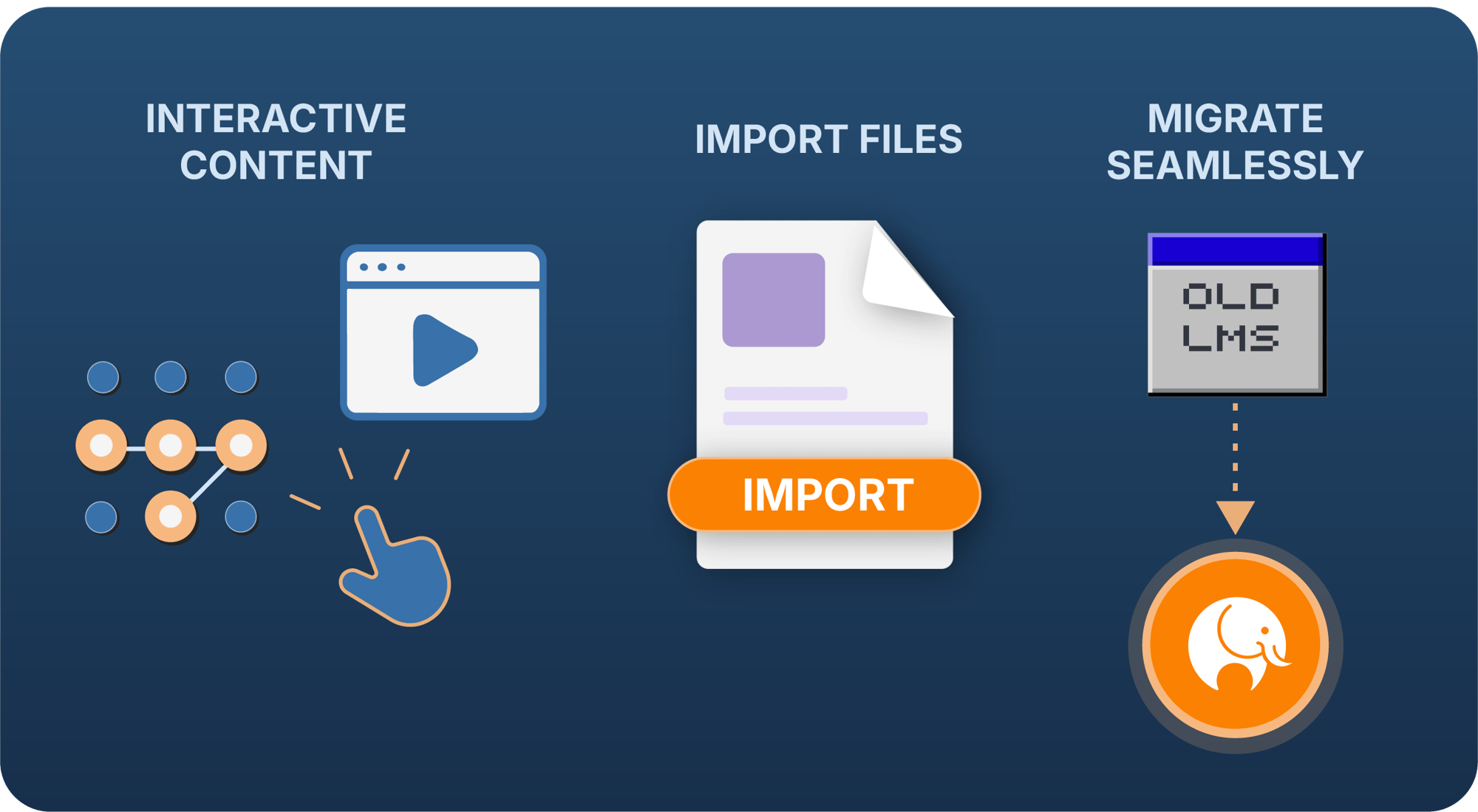

Why Use an LMS to Sell Courses Online?
Selling courses online creates new revenue streams while automating enrollment, payments, and content delivery, without manual administration.
Tovuti automates enrollment, access, and delivery after purchase, saving time and reducing operational overhead.
How Teams Use Tovuti for Course Sales
An LMS manages the entire customer learning experience, from purchase through completion, while tracking engagement and performance.
Tovuti LMS combines training delivery with built-in payments, pricing controls, and reporting to support scalable online course sales.

Jared E.

Trusted by Teams Monetizing Training at Scale
Many organizations struggle with disconnected systems for payments, enrollments, and course access.
Tovuti solves this by combining e-commerce and training delivery in one platform, allowing teams to sell courses, automate access, and manage learners without added complexity.
Why Tovuti LMS for E-Commerce
Built-In Course Storefront
Create and manage a course catalog directly within Tovuti LMS. Control which courses are available for purchase and who can access them without third-party storefront tools.
Flexible Pricing & Course Bundles
Set course pricing, create bundles, and manage access rules to support different sales models. This flexibility allows teams to sell individual courses or packaged learning experiences.
Automated Enrollment & Access Control
Once a learner completes a purchase, Tovuti automatically enrolls them and grants access to the correct content. This removes the need for manual enrollment and reduces administrative work.
Secure Payment Integrations
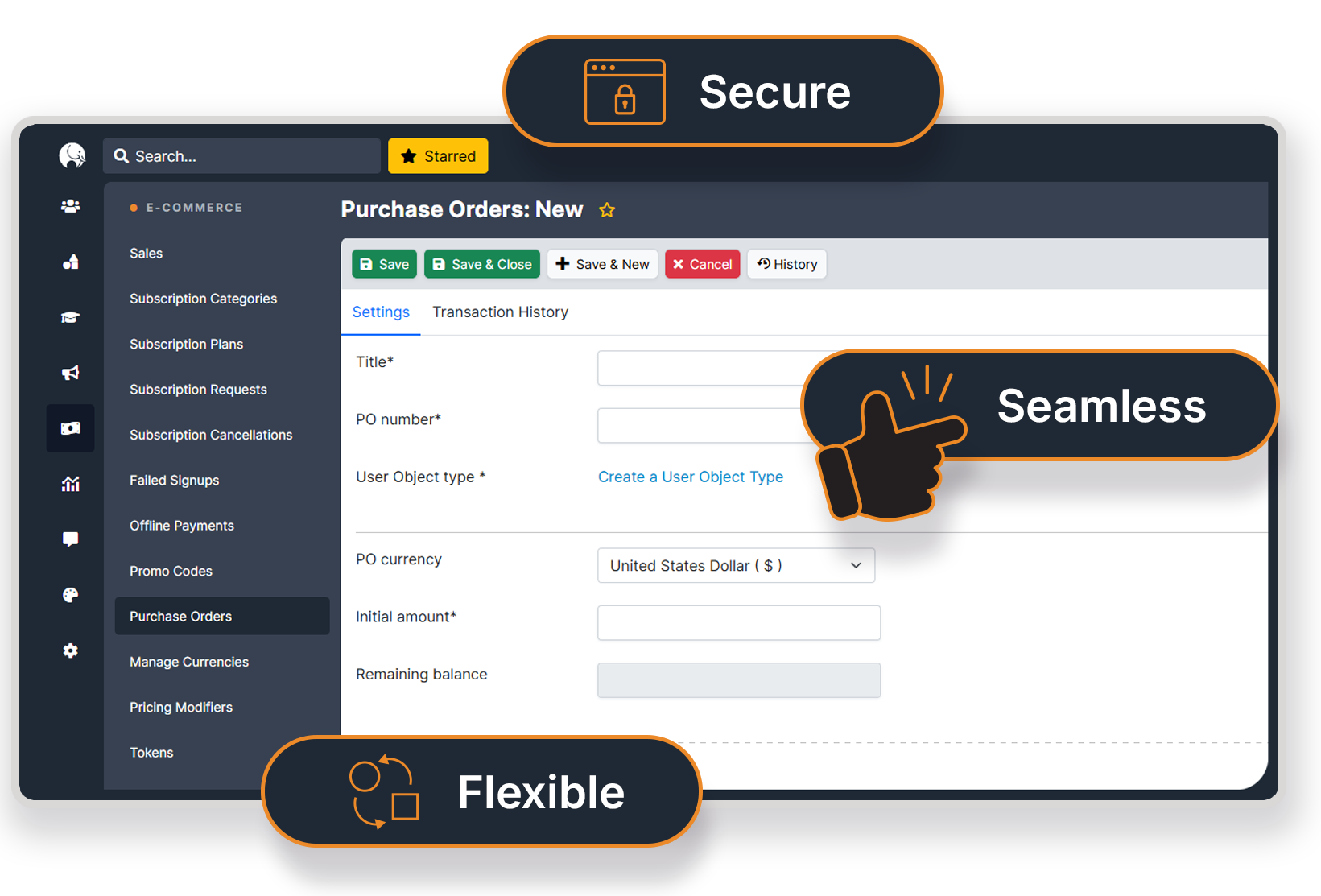
Tovuti supports secure payment processing through standard payment gateway integrations. Transactions are handled safely while learners gain immediate access to purchased content.
Centralized Course & Content Management
Manage all sellable training content in one place. Update courses once and ensure learners always access the most current materials.
Sales & Enrollment Reporting
Track course purchases, enrollment trends, and learner activity with built-in reports. These insights help teams understand performance and optimize offerings.
Ready to Sell Courses with Tovuti LMS?
Launch, manage, and scale online course sales from one platform.
✅ No technical skills required
✅ Start with a free personalized demo
✅ Launch your course marketplace in days, not months
FAQs about Tovuti & online course selling platforms
Can I customize rates for different courses or customers?
Yes, you can tailor rates, discounts, and promotions to specific audiences or courses and specify how long these rates are valid.
Does Tovuti’s learning management system with e-commerce support content created with other tools?
Yes! Tovuti’s e-commerce LMS makes it simple to import pre-existing content that’s been made with other authoring tools.
What types of content formats does Tovuti’s system support?
Tovuti can import nearly any type of learning object including, but not limited to, SCORM, AICC, xAPI/Tin Can, unpackaged slides, videos, text files, and hard-copy documents.
What integrations does Tovuti offer?
Tovuti offers real-time Web Services and more than 7,000 APIs. We also offer native integrations with a variety of leading businesses such as BambooHR, Salesforce, HubSpot, Workday, and others, so customers can access other world-class products in just a few clicks.
Is Tovuti’s LMS with e-commerce cloud-based?
Yes, Tovuti is 100% cloud-based, so there is no software to download and manage. That means there are no systems to patch, upgrade, or maintain.
Is Tovuti LMS with e-commerce secure?
Tovuti LMS safeguards your organization and teams. Tovuti meets the SOC2 Type 2 exam for Security and Availability requirements. We offer end-to-end data encryption, SSO, high availability, redundant data storage, disaster recovery, and more to ensure our infrastructure is reliable and your data is secure.
Is Tovuti’s learning management system with e-commerce SCORM compliant?
Yes, Tovuti is compatible with SCORM 1.2 and 2004.
Is Tovuti’s LMS for e-commerce accessible?
Yes, Tovuti’s learning management system with e-commerce meets Web Content Accessibility (WCAG) Guidelines 2.1 Level A and AA as well as Section 508 standards.
We believe learning should be equally accessible to everyone, including persons with disabilities. Tovuti offers a variety of accessibility features that accommodate screen readers, color-impaired learners, keyboard-only navigation, and more.
How much does Tovuti’s learning management system with e-commerce cost?
Use this link to inquire about pricing: https://www.tovutilms.com/lms-pricing
What makes Tovuti’s LMS with e-commerce different from other solutions?
Tovuti is a powerful, award-winning LMS with e-commerce that:
- Supports mobile learning initiatives
- Is easy to use, both for learners and administrators
- Can be designed to strongly reflect your organization's brand and culture
- Can be used to sell or monetize content, subscriptions, and even events
- Can be easily integrated with other enterprise applications like your CRM, HRIS, or even Identity Provider
Tovuti’s LMS with e-commerce transports the power of our platform and integrates your native applications to ensure efficiencies and data integrations for your most critical processes and systems of record. Tovuti can quickly become the hub of all your systems with an out-of-the-box API and self-service capabilities.
How long does it take to integrate Tovuti's LMS with e-commerce with native systems fully?
Tovuti’s learning management software is handed over to you and ready to go on day one. However, each client is on a unique journey – some may start from scratch, while others may be migrating from an already mature solution – which will determine the length and complexity of integration.